
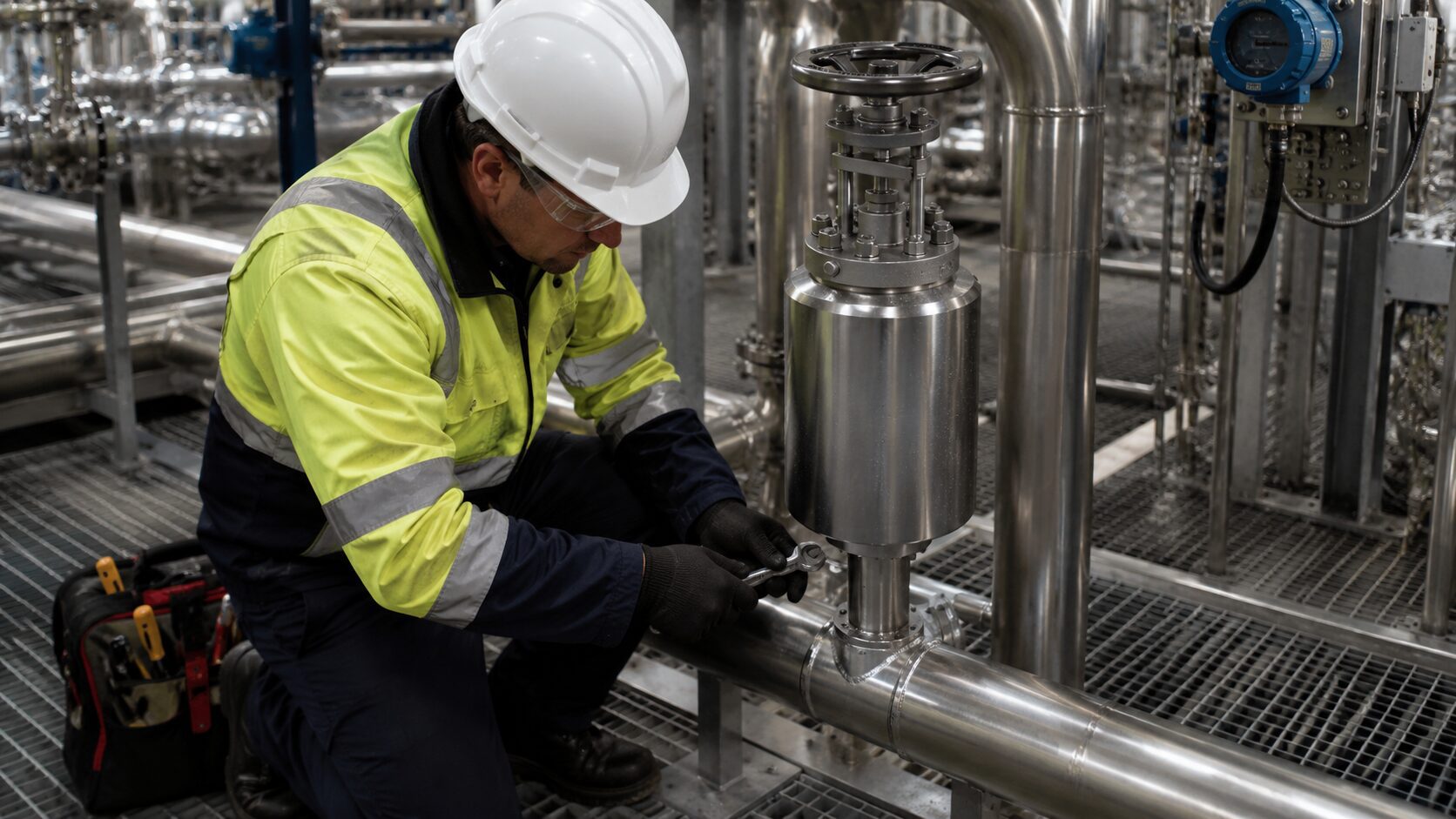
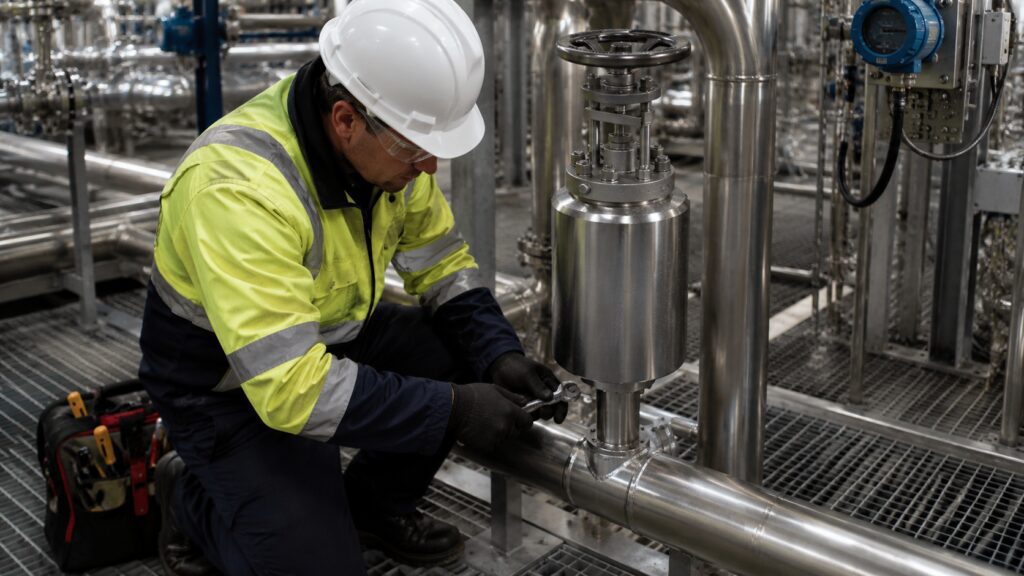
Hydrogen is redefining how the world generates, stores and distributes energy, yet the gas itself presents a unique set of engineering challenges that demand precise valve specification. Hydrogen’s extremely small molecular size and high diffusivity make containment significantly more demanding than conventional hydrocarbon gases. Its propensity to contribute to material degradation, its broad flammability range and the extreme temperatures involved in liquefied transport all place considerable demands on every component within the flow path. Selecting the correct hydrogen valves is therefore not simply a procurement exercise; it is a safety-critical engineering decision that protects personnel, infrastructure and long-term operational reliability. For Blackhall’s Valvologists®, this challenge sits at the intersection of material science, sealing technology, flow control and rigorous compliance, precisely the kind of application that requires consultative engineering expertise rather than catalogue selection alone.
The Critical Role of Valve Selection in Hydrogen Safety
Hydrogen behaves very differently to conventional process gases. Its small molecular structure and high permeation characteristics mean leak paths that may remain acceptable in hydrocarbon service can become significant emission sources in hydrogen duty. The gas is flammable between approximately 4 and 75 per cent concentration in air and requires extremely low ignition energy, creating additional safety considerations for operators and designers alike. A valve that performs reliably on natural gas service may therefore require further engineering assessment before being considered suitable for hydrogen blending or pure H2 applications.
These physical properties mean that every aspect of valve design, from the body casting and stem sealing arrangement through to the actuator, seat design and end connections, should be evaluated against hydrogen-specific operating conditions. Factors such as pressure cycling, permeation, thermal variation, adiabatic compression and long-term maintenance accessibility all influence valve performance over time. This lifecycle-focused philosophy underpins Blackhall’s approach to Valvology®: engineering dependable valve solutions designed for long-term operational integrity rather than short-term replacement cycles.
Combating Hydrogen Embrittlement Through Intelligent Material Selection
Hydrogen embrittlement remains one of the most significant degradation mechanisms affecting pressurised hydrogen infrastructure. When atomic hydrogen diffuses into certain metallic materials, it can reduce ductility and fracture toughness, potentially contributing to cracking or premature failure under stress. Material selection is therefore a critical consideration when designing hydrogen valve systems, particularly within high-pressure or cyclic operating environments.
Selecting High-Grade Austenitic Stainless Steels
Austenitic stainless steels such as 316L and 304L have demonstrated strong resistance to hydrogen-assisted cracking across a broad range of operating conditions. Their face-centred cubic crystal structure generally offers improved resistance to hydrogen diffusion compared with ferritic or martensitic materials. In higher-pressure applications, operators may specify solution-annealed 316L with tightly controlled ferrite content to further reduce susceptibility to hydrogen-related degradation mechanisms.
Blackhall’s engineering team works closely with foundries and forging specialists to verify material traceability, heat treatment certification and mechanical properties in accordance with recognised industry standards including ASME B16.34, ASME B31.12 and relevant NACE material guidance where applicable. This level of traceability provides customers with confidence that each valve has been engineered and manufactured for long-term performance within demanding hydrogen service environments.
Material Compatibility for Seals and Gaskets
Whilst metallic materials often receive the greatest attention, elastomeric and polymeric sealing components are equally important within hydrogen applications. Standard elastomers can experience rapid gas decompression damage under repeated high-pressure hydrogen cycling, potentially leading to blistering, cracking or premature seal degradation. PTFE-based sealing systems, often reinforced with carbon or glass fillers, can provide improved resistance to permeation and chemical degradation.
For cryogenic liquid hydrogen applications, where temperatures can approach minus 253 degrees Celsius, sealing materials must also maintain dimensional stability and flexibility under extreme thermal conditions. Engineered materials such as specialised PEEK compounds and polyimides are commonly evaluated for these environments. Blackhall’s Valvologists® assess each sealing arrangement individually to ensure compatibility between operating pressure, temperature, cycling frequency and the overall service envelope.
Leakage Performance and Fugitive Emission Control
Leakage performance expectations within hydrogen systems are considerably more stringent than those typically associated with conventional hydrocarbon service. Due to hydrogen’s permeation characteristics and broad flammability range, fugitive emissions management becomes both a safety consideration and an operational priority.
ISO 15848-1 and Fugitive Emission Performance
ISO 15848-1 provides a recognised framework for evaluating fugitive emissions performance from industrial valves under defined test conditions. Hydrogen applications frequently demand extremely low fugitive emission performance classifications, requiring careful attention to stem sealing arrangements, packing systems, machining tolerances and bolting integrity.
Achieving high fugitive emission performance may involve the use of precision-machined stem sealing areas combined with graphite or advanced PTFE packing systems designed for demanding gas service. Blackhall incorporates fugitive emission verification as part of its hydrogen valve engineering philosophy, ensuring valve assemblies are designed with long-term sealing integrity and maintainability in mind.
High-Integrity Shut-Off Performance
Beyond external emissions control, internal seat leakage is equally important in hydrogen isolation applications. Even low levels of through-seat leakage can create downstream operational and safety concerns where hydrogen accumulation is possible. Standards such as API 598 and EN 12266-1 provide recognised testing methodologies for valve shut-off performance, although actual leakage acceptance criteria will vary depending on valve type, pressure class and application criticality.
Metal-seated ball valves, globe valves and triple-offset butterfly valves can all provide high-integrity shut-off performance when correctly engineered for hydrogen service. Achieving dependable sealing performance requires careful consideration of seat geometry, contact stress, operating torque, cycling frequency and thermal expansion behaviour throughout the valve lifecycle.
Specialised Flow Control for Cryogenic Liquid Hydrogen
Liquid hydrogen storage and transfer applications introduce engineering challenges that extend significantly beyond conventional cryogenic service. Cryogenic liquid hydrogen flow control requires valve components capable of withstanding extreme thermal shock, contraction and repeated operating cycles whilst maintaining sealing integrity and operational reliability.
Managing Thermal Contraction in Valve Internals
At cryogenic temperatures, metallic materials contract at varying rates depending on composition and microstructure. If these differential contraction rates are not properly considered during valve design, issues such as increased operating torque, component binding or sealing degradation can occur.
Extended bonnet configurations are commonly utilised within cryogenic hydrogen systems to maintain stem sealing components outside the extreme cold zone, helping preserve packing performance and actuator reliability. Blackhall’s engineering teams utilise advanced analysis techniques, including finite element analysis (FEA), to assess thermal stress behaviour across varying operating conditions, from ambient cooldown through to steady-state cryogenic operation.
Vacuum-Jacketed Systems for Liquid Hydrogen Transfer
Valves installed within liquid hydrogen transfer systems are frequently integrated into vacuum-jacketed pipework assemblies designed to minimise heat ingress and reduce boil-off losses. These systems impose additional engineering constraints relating to valve dimensions, maintenance accessibility and thermal isolation requirements.
Welded end connections are often preferred within these applications to minimise potential leak paths, whilst valve geometry must be carefully considered to avoid creating unwanted thermal bridges. Because replacement or maintenance intervention within vacuum-jacketed systems can be highly disruptive and costly, long-term reliability and maintainability become critical specification considerations from the outset.
Actuation Strategies: Pneumatic vs Electric Actuation
Selecting between pneumatic and electric actuation within hydrogen systems depends on multiple operational factors including fail-safe requirements, hazardous area classification, control philosophy and response time expectations. Neither technology is universally superior; each must be evaluated against the operational demands of the specific application.
Pneumatic Actuation for Fail-Safe Operation
Pneumatic actuators remain widely utilised for emergency shutdown and isolation applications within hydrogen infrastructure. One key advantage is their ability to achieve fail-safe operation through spring-return mechanisms, allowing valves to move to a predetermined safe position following loss of instrument air or power.
Pneumatic systems can also simplify hazardous area compliance requirements within ATEX or IECEx classified environments by reducing reliance on electrical equipment installed directly within hazardous zones. Blackhall routinely supplies pneumatic actuator packages incorporating solenoid valves, limit switches and positioners configured for the relevant hazardous area classifications and operational requirements.
Electric Actuation and Intelligent Control
Electric actuators can offer advantages where precise positional control, digital integration and process optimisation are priorities. Modern electric actuators certified in accordance with ATEX Directive 2014/34/EU can be safely deployed within appropriately classified hazardous areas when installed according to the manufacturer’s certification requirements.
Their ability to provide repeatable modulation and integration with intelligent control systems makes them well suited to applications requiring accurate flow regulation or remote monitoring capabilities. Blackhall’s consultative approach ensures actuator selection is driven by operational suitability, lifecycle reliability and application-specific risk assessment rather than a one-size-fits-all philosophy.
Operational Lifecycle and Maintenance Considerations
A hydrogen valve’s engineering lifecycle extends well beyond initial commissioning. Inspection strategies, packing maintenance, seat refurbishment, emission monitoring and periodic functional testing should all be considered during the original specification phase. Hydrogen systems may also be subject to evolving regulatory frameworks and inspection requirements associated with fugitive emissions, emergency shutdown integrity and operational safety verification.
Blackhall’s lifecycle support philosophy provides customers with structured maintenance guidance tailored to operating conditions, cycling frequency and application criticality. This may include bolt re-torque recommendations, sealing system inspection intervals, actuator diagnostics and predictive maintenance strategies designed to identify developing issues before they become operational failures.
This consultative engineering approach reflects the core Blackhall principles of dependability, integrity and intelligence: delivering engineering peace of mind from initial specification through decades of operational service. For organisations investing in hydrogen infrastructure, the right engineering partner does not simply supply valves; it helps safeguard the long-term reliability, safety and performance of the entire asset lifecycle.