
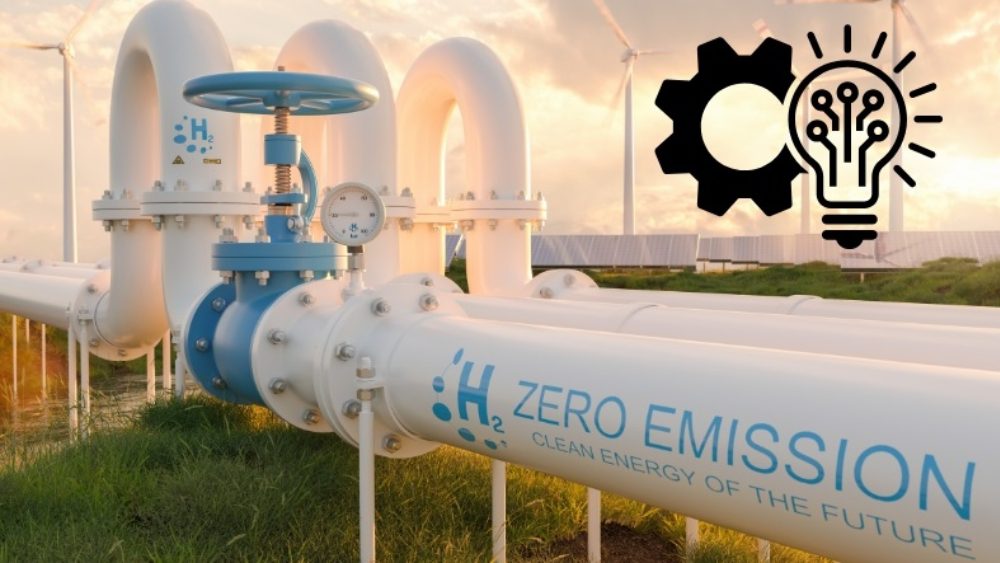
As the global shift towards renewable energy accelerates, hydrogen is emerging as a key player in the journey to net zero. Valves are critical components within the hydrogen supply chain, ensuring the safe, efficient, and reliable control of this volatile gas at every stage of its journey from production to end-use.
1. Hydrogen Production
Hydrogen can be produced through methods such as electrolysis, steam methane reforming (SMR), or biomass gasification. Each of these processes requires precise control of gas flow, pressure, and temperature. Valves play an essential role here by managing the movement of feedstocks, steam, and hydrogen gas through the system. Specialised valves designed for high-pressure conditions and corrosive environments are vital to ensuring safety and efficiency during production.
2. Compression and Storage
Once hydrogen is produced, it must be compressed to facilitate efficient storage and transport. High-pressure valves are integral to this process, helping to control the flow of hydrogen as it moves into storage vessels. Given hydrogen’s small molecular size and tendency to cause material embrittlement, valves must be constructed from robust materials such as stainless steel or special alloys to ensure leak prevention and durability.
3. Transportation and Distribution
Hydrogen is often transported via pipelines, tube trailers, or cryogenic liquid tankers. Valves in these systems regulate pressure, isolate sections for maintenance, and provide emergency shut-off capabilities. Reliable valve performance is essential to mitigate the risks of leaks, which could compromise safety and environmental impact.
4. Intelligent Valve Monitoring with Valvemetrix
Monitoring valve performance is crucial to maintaining system efficiency and preventing failures. Blackhall Engineering’s Valvemetrix system simplifies this by providing detailed analytics on valve conditions, helping operators detect early signs of wear, leaks, or pressure fluctuations. This proactive monitoring solution reduces downtime, extends valve lifespan, and ensures the safe operation of hydrogen systems.
Ensuring Performance and Safety
Given hydrogen’s unique characteristics, valve design must meet stringent standards for pressure containment, leak prevention, and material integrity. Features such as high-performance seals, pressure relief mechanisms, and enhanced durability are crucial. Regular inspection and maintenance are also key to ensuring long-term performance.
Conclusion
Valves are fundamental to maintaining safety and efficiency throughout the hydrogen supply chain. As hydrogen infrastructure expands to support the global energy transition, innovative valve technologies will continue to play a pivotal role in enabling this clean energy solution.
